Your blog post
Blog post description.
12/16/20243 min read


From Script to Screen: The Art of Crafting Cinematic Commercial Videos
In the world of visual storytelling, cinematic commercial videos stand out as powerful tools for branding and audience engagement. A well-crafted commercial doesn’t just sell a product or service; it tells a story, evokes emotion, and leaves a lasting impression. At The Differentiators Production, we specialize in turning creative concepts into visually stunning commercials that captivate audiences. Here’s an in-depth look at the process of crafting cinematic commercial videos from script to screen.
1. Pre-Production: Laying the Foundation
The pre-production phase is where ideas take shape and the groundwork for the entire project is laid. This stage involves planning, scripting, and organizing every detail to ensure a smooth production process.
Key Elements of Pre-Production:
Concept Development: Brainstorming and refining the core message and goals of the video. What story are you telling? How does it align with the brand’s identity?
Scriptwriting: Crafting a compelling script that serves as the blueprint for the video. The script outlines dialogues, visual sequences, and key transitions.
Storyboarding: Visualizing the scenes through sketches or digital boards to map out the flow of the video.
Casting and Locations: Selecting the right actors, models, and locations to match the vision and enhance authenticity.
Production Scheduling: Creating a detailed timeline for shoots, ensuring all resources, equipment, and crew are organized and ready.
A solid pre-production phase minimizes delays and sets the tone for a seamless shoot.
2. Production: Bringing the Vision to Life
Production is where the planning pays off and the video is brought to life through filming. Every element, from lighting to camera angles, plays a crucial role in achieving a cinematic look.
Key Elements of Production:
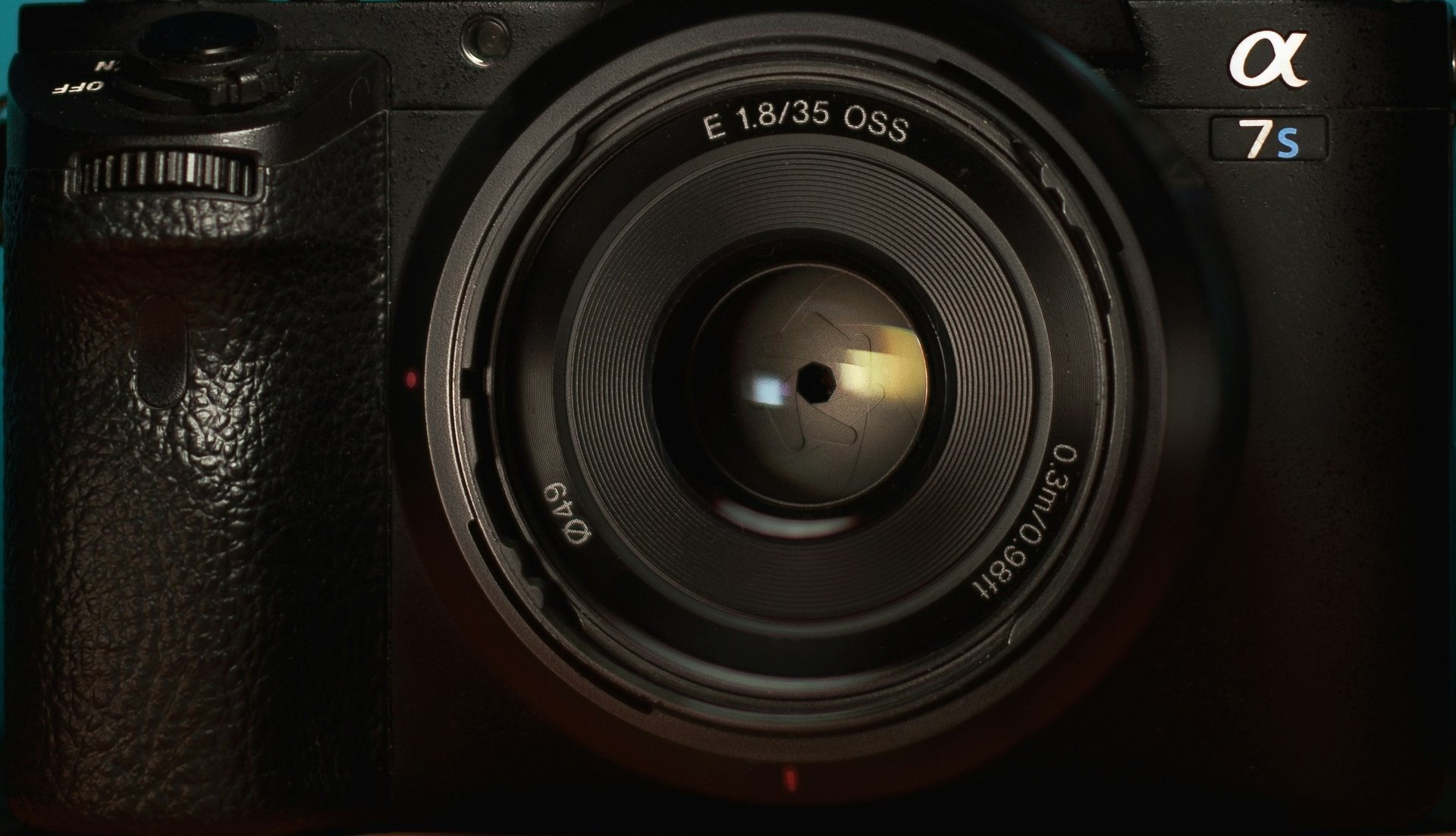
Cinematography: Choosing the right camera, lenses, and framing to capture high-quality visuals. Cinematic techniques like depth of field, tracking shots, and dynamic angles add to the production value.
Lighting: Proper lighting not only illuminates the scene but also sets the mood and emphasizes key elements. Soft lighting for intimate scenes and dramatic lighting for high-energy shots can elevate the storytelling.
Direction: Guiding actors, models, and crew to ensure every frame aligns with the creative vision.
B-Roll and Extra Footage: Capturing additional shots that can be used to enhance the final edit, ensuring flexibility in post-production.
3. Post-Production: Crafting the Final Masterpiece
Post-production is where raw footage transforms into a polished, cohesive video ready for distribution. This phase is all about refining the narrative and enhancing the visuals.
Key Elements of Post-Production:
Editing: Assembling the footage according to the script and storyboard. Editors work to cut unnecessary clips, arrange sequences, and create smooth transitions.
Color Grading: Adjusting colors to create a consistent visual tone. Color grading adds depth and emotion to the video.
Sound Design and Music: Music and sound effects are vital in setting the pace and mood of the video. The right soundtrack can elevate the overall impact of the commercial.
Visual Effects (VFX): Adding special effects to enhance visual appeal and create elements that can’t be achieved through standard filming.
4. Storytelling: The Heart of Cinematic Commercials
Storytelling is what differentiates a commercial from mere advertisements. By weaving narratives that resonate with audiences, brands can create memorable experiences.
Key Storytelling Techniques:
Emotional Connection: Tap into the audience’s emotions by addressing relatable problems, aspirations, or values.
Hero’s Journey: Structure the commercial around a central character overcoming obstacles or achieving a goal.
Visual Metaphors: Use symbols and visual cues to convey deeper meanings, making the video more engaging and thought-provoking.
5. Music, Lighting, and Camera Techniques: The Cinematic Touch
Music Selection: Choose music that complements the visuals and enhances emotional impact. Consider bespoke compositions for a unique brand identity.
Lighting Techniques: Use three-point lighting, natural light, or creative shadows to shape the atmosphere.
Camera Movements: Employ techniques like dolly shots, handheld cameras, and drone footage to add dynamic motion and create immersive visuals.
6. Case Study: Transforming a Vision into Reality
Project: Luxe Skincare Commercial
The Differentiators Production recently crafted a commercial for Luxe Skincare, focusing on their new anti-aging serum.
Approach:
Concept: A narrative highlighting the transformation and confidence that comes with healthy, glowing skin.
Production: Shot in a high-end studio with soft, diffused lighting to highlight the model’s skin texture. Close-up shots and slow-motion effects created a luxurious, intimate feel.
Post-Production: Advanced color grading and subtle VFX enhanced the product’s shine, while an original musical score underscored the emotional tone.
Result: The commercial received widespread acclaim, boosting brand recognition and increasing online sales by 30%.
Final Thoughts
Crafting cinematic commercial videos is an art that blends creativity with technical expertise. From scripting and shooting to editing and final delivery, each stage contributes to the final masterpiece. At The Differentiators Production, we take pride in turning brand stories into visually compelling narratives that resonate with audiences and leave a lasting impression. Let us help bring your brand’s vision to life—one cinematic frame at a time.